 LNG
LNG
Liquefied Natural Gas
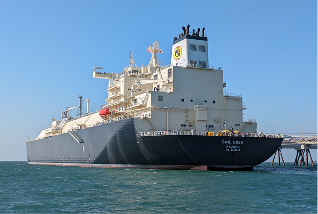
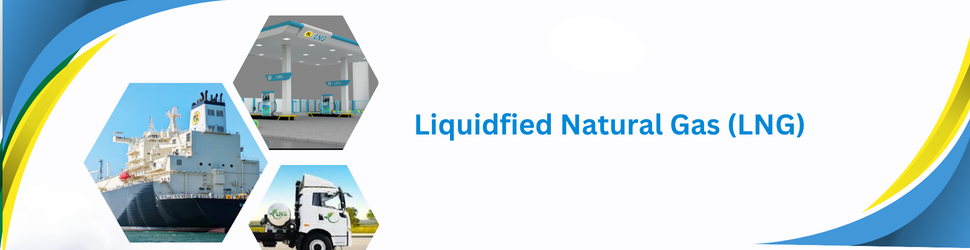
Natural Gas which has been liquefied at - (Minus) 160 degree Centigrade. Natural Gas is liquefied to facilitate transportation in large volumes in cryogenic tankers across seas / land.
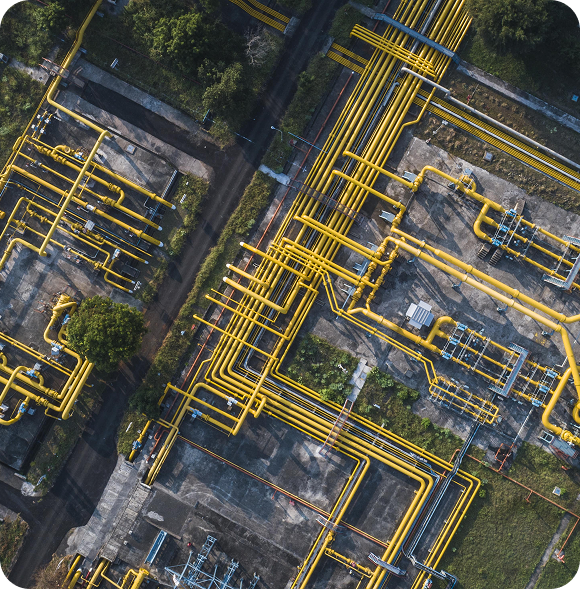
Natural gas is one of the most important sources of energy in the modern world. It is a clean and efficient fossil fuel primarily composed of methane. Natural gas is widely used for generating electricity, heating homes, and as a fuel for industries and transportation. Compared to other fossil fuels like coal and oil, it produces fewer pollutants and lower carbon emissions. This makes it an important transition fuel in the shift toward cleaner energy systems. Natural gas is transported through an extensive network of pipelines to reach homes, industries, and power plants. Due to its clean-burning properties and the convenience of pipeline-based supply, which eliminates the need for local storage and complex transportation logistics, natural gas has emerged as a preferred fuel worldwide. Its share in the energy mix of many major economies has been steadily increasing.
As the world moves toward sustainable energy, natural gas continues to play a significant role in providing reliable and cleaner energy solutions.
प्राकृतिक गैस आधुनिक विश्व में ऊर्जा के सबसे महत्वपूर्ण स्रोतों में से एक है। यह एक स्वच्छ और कुशल जीवाश्म ईंधन है, जो मुख्य रूप से मिथेन से बना होता है। प्राकृतिक गैस का उपयोग बिजली उत्पादन, घरों को गर्म रखने तथा उद्योगों और परिवहन के लिए ईंधन के रूप में व्यापक रूप से किया जाता है। कोयला और तेल जैसे अन्य जीवाश्म ईंधनों की तुलना में यह कम प्रदूषक उत्पन्न करती है और कार्बन उत्सर्जन भी कम करती है।इसी कारण, स्वच्छ ऊर्जा प्रणालियों की ओर परिवर्तन में यह एक महत्वपूर्ण पारगमन ईंधन (transition fuel) के रूप में भूमिका निभाती है। प्राकृतिक गैस को घरों, उद्योगों और बिजली संयंत्रों तक पहुँचाने के लिए पाइपलाइनों के विस्तृत नेटवर्क के माध्यम से परिवहन किया जाता है।इसके स्वच्छ दहन गुणों तथा पाइपलाइन आधारित आपूर्ति की सुविधा के कारण, जिसमें स्थानीय भंडारण और जटिल परिवहन व्यवस्थाओं की आवश्यकता नहीं होती, प्राकृतिक गैस दुनिया भर में एक पसंदीदा ईंधन के रूप में उभरकर सामने आई है।कई प्रमुख अर्थव्यवस्थाओं के ऊर्जा मिश्रण (energy mix) में इसकी हिस्सेदारी लगातार बढ़ती जा रही है।
जैसे जैसे विश्व सतत (सस्टेनेबल) ऊर्जा की ओर बढ़ रहा है, प्राकृतिक गैस विश्वसनीय और अधिक स्वच्छ ऊर्जा समाधान प्रदान करने में महत्वपूर्ण भूमिका निभाती रहती है।
LNG
Natural Gas which has been liquefied at - (Minus) 160 degree Centigrade. Natural Gas is liquefied to facilitate transportation in large volumes in cryogenic tankers across seas / land.
 RLNG
RLNG
LNG Re-gasified at import terminals before transporting it to consumers through Pipelines.
 PNG
PNG
Natural Gas distributed through a pipeline network that has safety valves to maintain the pressure, assuring safe, uninterrupted supply to the domestic sector for cooking and heating / cooling applications.
 CNG
CNG
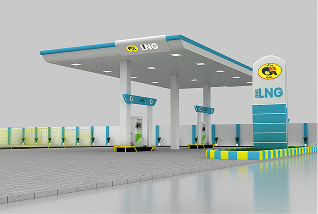
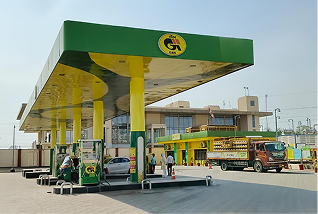
Natural Gas compressed to a pressure of 200-250 kg/cm2 used as fuel for transportation. CNG decreases vehicular pollution on the virtue of being cleaner fuel than liquid fuels.
LNG
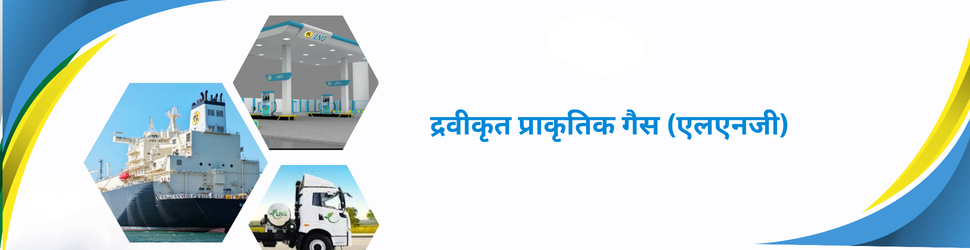
वह प्राकृतिक गैस है जिसे –160 डिग्री सेल्सियस तापमान पर तरल रूप में परिवर्तित किया जाता है। प्राकृतिक गैस को बड़े पैमाने पर समुद्र या स्थल मार्ग से क्रायोजेनिक टैंकरों में आसानी से परिवहन करने के लिए इसे द्रवीकृत किया जाता है।
RLNG
वह LNG है जिसे आयात टर्मिनलों पर पुनः गैसीय रूप में परिवर्तित किया जाता है, ताकि उसे पाइपलाइनों के माध्यम से उपभोक्ताओं तक पहुँचाया जा सके।
PNG
वह प्राकृतिक गैस है जिसे पाइपलाइन नेटवर्क के माध्यम से वितरित किया जाता है। इस नेटवर्क में दबाव बनाए रखने के लिए सुरक्षा वाल्व लगे होते हैं, जिससे घरेलू क्षेत्र में खाना पकाने तथा हीटिंग/कूलिंग के लिए सुरक्षित और निरंतर आपूर्ति सुनिश्चित होती है।
CNG
वह प्राकृतिक गैस है जिसे 200–250 किग्रा/सेमी² के दबाव पर संपीड़ित किया जाता है और परिवहन के लिए ईंधन के रूप में उपयोग किया जाता है। CNG, तरल ईंधनों की तुलना में अधिक स्वच्छ होने के कारण, वाहनों से होने वाले प्रदूषण को कम करने में सहायक होती है।

Used as a fuel for base-load power generation in combined cycle and cogeneration power plants, enabling efficient and cleaner electricity production.

Utilized as a key feedstock in the production of ammonia and urea, which are essential for fertilizer manufacturing.

Used as boiler fuel for steam generation and as fuel in furnaces, kilns, and other industrial heating applications.

Supplied as Piped Natural Gas (PNG) for cooking and heating in households and commercial establishments, offering a safe and convenient energy source.

Used as Compressed Natural Gas (CNG), an eco-friendly and cost-effective fuel for vehicles that reduces emissions.

Serves as a primary raw material for producing various petrochemicals such as methanol, hydrogen, and other chemical derivatives.
संयुक्त चक्र (Combined Cycle) और सह-उत्पादन (Cogeneration) बिजली संयंत्रों में आधार-लोड बिजली उत्पादन के लिए ईंधन के रूप में उपयोग, जिससे अधिक कुशल और स्वच्छ बिजली उत्पादन संभव होता है।
अमोनिया और यूरिया के उत्पादन में एक प्रमुख कच्चे माल (Feedstock) के रूप में उपयोग, जो उर्वरक निर्माण के लिए आवश्यक हैं।
भाप उत्पादन के लिए बॉयलर ईंधन के रूप में तथा भट्टियों (Furnaces), भट्ठों (Kilns) और अन्य औद्योगिक ताप अनुप्रयोगों में ईंधन के रूप में उपयोग।
पाइप्ड नेचुरल गैस (PNG) के रूप में घरों और वाणिज्यिक प्रतिष्ठानों में खाना पकाने और हीटिंग के लिए आपूर्ति, जो सुरक्षित और सुविधाजनक ऊर्जा स्रोत प्रदान करती है।
संपीड़ित प्राकृतिक गैस (CNG) के रूप में उपयोग, जो पर्यावरण के अनुकूल और लागत प्रभावी ईंधन है तथा उत्सर्जन को कम करता है।
मेथनॉल, हाइड्रोजन तथा अन्य रासायनिक उत्पादों के निर्माण के लिए एक प्रमुख कच्चे माल के रूप में उपयोग।
Natural Gas, a new age fuel is the cleanest, efficient, non-polluting, environmental friendly and relatively economical of the fossil fuel in the modern day industrial society.
Natural Gas Pipeline Infrastructure connects various gas sources to different gas markets to meet the existing/future natural gas demand of various Powers, Fertilizer, CGD and other industries in the Country. The gas pipeline infrastructure has facilitated widespread industrialization and has brought significant socio-economic changes to different parts of the country.
A big challenge lies in bridging the physical gap between demand and supply centers in an efficient, safe and eco-friendly manner. Pipeline transportation of gas offers a safe, economic and environmentally sound alternative to most other modes of energy transport.
The Government recognizes the need to augment the natural gas transmission infrastructure in the country and has been driving the development of natural gas pipeline connecting all regions of the country which is shaping-up into Natural Gas Grid (NGG)
Over the years, GAIL as a major gas pipeline operator has contributed to the growth and development of natural gas pipeline infrastructure and natural gas market. It has an existing 18400+ km. of gas pipeline network with a capacity of 208 MMSCMD. GAIL’s existing natural gas pipeline network covers 20 States (Andhra Pradesh, Assam, Bihar, Goa, Gujarat, Haryana, Himachal Pradesh, Jharkhand, Karnataka, Kerala, Maharashtra, Madhya Pradesh, Odisha, Punjab, Rajasthan, Tamil Nadu, Tripura, Uttar Pradesh Uttarakhand and West Bengal) and 3 UT’s (Delhi, Puducherry & Dadra Nagar Haveli).
| Operational Natural Gas Pipelines of GAIL | ||
|---|---|---|
| Common Carrier + Dedicated | ||
| Sl. No. | Network/ Region# | Length (KM)* |
| 1 | Agartala Network | 67 |
| 2 | Cauvery Basin | 272 |
| 3 | Chhainsa-Jhajjar-Hissar Pipeline Network (CJPL) | 440 |
| 4 | Dabhol-Bengaluru Pipeline Network (DBPL) | 1182 |
| 5 | Dadri-Bawana-Nangal Pipeline Network | 997 |
| 6 | Dahej-Uran-Dabhol Pipeline Network | 943 |
| 7 | DVPL – GREP Upgradation | 1311 |
| 8 | Gujarat Regional Network | 604 |
| 9 | HVJ- GREP DVPL | 5433 |
| 10 | Jagdishpur-Haldia-Bokaro-Dhamra (JHBDPL) | 3339 |
| 11 | KG Basin Pipeline Network | 919 |
| 12 | Kochi-Koottanad-Bengaluru-Mangaluru Pipeline Network (KKBMPL) | 646 |
| 13 | Mumbai Regional Pipeline Network | 125 |
| 14 | Dedicated Networks | 226 |
| 15 | Mumbai Nagpur Jharsuguda Pipeline (MNJPL) 1148 | 1715 |
| 16 | Srikakulam Angul Pipeline (SAPL) | 469 |
| Total Length | 18,688 | |
Natural gas pipelines are the core and strategic assets for India’s energy security and backbone to achieve the gas based economy. GAIL is in constant endeavour to expand its pipeline infrastructure across the length and breadth of the country as a part of National Gas Grid. With the execution of in hand pipeline projects, GAIL is expanding its natural gas pipeline infrastructure on PAN India basis. The details of ongoing pipelines under NGG and others are as below:
| S. No. | Projects | Total Length (in Km) | Total Investment (in Rs Crore) | Commissioned as on Nov’25 | Under Construction as on Nov’25 | States covered |
|---|---|---|---|---|---|---|
| 1 | Jagdishpur Haldia and Bokaro Dhamra Pipeline (JHBDPL) | 2,563 | 13,414 | 2,401 | 162 | Uttar Pradesh, Bihar, Odisha, Jharkhand and West Bengal |
| 2 | Barauni Guwahati Pipeline (BGPL) | 727 | 3,992 | 717 | 9 | Bihar, West Bengal and Assam |
| 3 | Kochi-Koottanad-Bengaluru-Mangaluru Pipeline Phase-II | 902 | 5,909 | 579 | 323 | Kerala, Tamil Nadu and Karnataka |
| 4 | Srikakulam Angul Pipeline (SAPL) | 744 | 2,810 | 422 | 322 | Odisha and Andhra Pradesh |
| 5 | Mumbai Nagpur Jharsuguda Pipeline (MNJPL) | 1,702 | 8,255 | 1,182 | 520 | Maharashtra, Madhya Pradesh, Chhattisgarh and Odisha |
| 6 | Dhamra Haldia Pipeline (DHPL) | 253 | 1,125 | 150 | 103 | Odisha and West Bengal |
| 7 | Gurdaspur-Jammu Pipeline | 152 | 522 | 0 | 152 | Punjab and UT of Jammu |
| 8 | Augmentation of Dahej-Uran / Dabhol Panvel Pipeline | 105 | 844 | 0 | 105 | Maharashtra |
| 9 | Vijaipur-Bina Pipeline | 114 | 449 | 0 | 114 | Madhya Pradesh |
| 10 | Attibele-Bidadi Pipeline | 65 | 652 | 0 | 65 | Karnataka |
| Total | 7,327 | 37,972 | 5,451 | 1,875 |
| S. No. | Projects under execution | Details | Investment (Rs. Cr.) | States covered |
|---|---|---|---|---|
| 1 | Pipeline Replacement Projects KG Basin Ph-3 | Pipeline replacement of 30 Km | 133 | Andhra Pradesh |
| 2 | Uran-Usar Liquid Propane Pipeline Project | 12" X 45 Km Pipeline | 309 | Maharashtra |
| 3 | Vijaipur to Pata C2/C3 Pipeline | 14" X 352 Km | 1,792 | Uttar Pradesh & Madhya Pradesh |
| 4 | Capacity Expansion of Jamnagar-Loni LPG Pipeline | 18"/16"/8" X 1160 Km | 5,364 | Gujarat, Rajasthan, Haryana, Uttar Pradesh |
| 5 | Tie in Connectivity Projects | Tie in connectivity to CBM field Bokaro & CBM field Jharia (Total length 6 Km) | 31 | Jharkhand |
| 6 | Consumer Connectivity | Last Mile Connectivities to consumers (8 nos.) & CGD Hook-up Projects (50 nos.) | 498 | Pan India Basis |
| Total | 8,127 |
GAIL shall continue to meet the noble objective of supply and transportation of natural gas through its state of art natural gas transmission pipeline system and shall contribute to the growth and Industrialization in India. GAIL is continuously playing the vital role in development of National Gas Grid and providing pipeline connectivity to the prospective customers i.e. industrial, commercial, domestic etc. located along GAIL’s pipeline network.
प्राकृतिक गैस, एक आधुनिक युग का ईंधन, आधुनिक औद्योगिक समाज में उपलब्ध जीवाश्म ईंधनों में सबसे स्वच्छ, कुशल, गैर प्रदूषणकारी, पर्यावरण अनुकूल तथा अपेक्षाकृत किफायती ईंधन है।
प्राकृतिक गैस पाइपलाइन अवसंरचना विभिन्न गैस स्रोतों को अलग अलग गैस बाजारों से जोड़ती है, जिससे देश में ऊर्जा, उर्वरक, सिटी गैस वितरण (CGD) तथा अन्य उद्योगों की वर्तमान और भविष्य की प्राकृतिक गैस की मांग को पूरा किया जा सके। यह गैस पाइपलाइन अवसंरचना व्यापक औद्योगिकीकरण को बढ़ावा देने में सहायक रही है और देश के विभिन्न क्षेत्रों में महत्वपूर्ण सामाजिक आर्थिक परिवर्तन लाने में योगदान दिया है।
मांग और आपूर्ति केंद्रों के बीच भौतिक अंतर को कुशल, सुरक्षित और पर्यावरण अनुकूल तरीके से कम करना एक बड़ी चुनौती है। गैस का पाइपलाइन के माध्यम से परिवहन, ऊर्जा परिवहन के अन्य अधिकांश साधनों की तुलना में एक सुरक्षित, किफायती और पर्यावरण की दृष्टि से बेहतर विकल्प प्रदान करता है।
सरकार देश में प्राकृतिक गैस परिवहन अवसंरचना को सुदृढ़ करने की आवश्यकता को पहचानती है और देश के सभी क्षेत्रों को जोड़ने वाली प्राकृतिक गैस पाइपलाइनों के विकास को बढ़ावा दे रही है, जो धीरे धीरे नेचुरल गैस ग्रिड (NGG) के रूप में विकसित हो रही है।
पिछले वर्षों में, गेल एक प्रमुख गैस पाइपलाइन संचालक के रूप में प्राकृतिक गैस पाइपलाइन अवसंरचना और प्राकृतिक गैस बाजार के विकास एवं विस्तार में महत्वपूर्ण योगदान देता रहा है। इसके पास वर्तमान में 18,000+ किमी लंबा गैस पाइपलाइन नेटवर्क है, जिसकी क्षमता 208 MMSCMD है। गेल का मौजूदा प्राकृतिक गैस पाइपलाइन नेटवर्क 20 राज्यों (आंध्र प्रदेश, असम, बिहार, गोवा, गुजरात, हरियाणा, हिमाचल प्रदेश, झारखंड, कर्नाटक, केरल, महाराष्ट्र, मध्य प्रदेश, ओडिशा, पंजाब, राजस्थान, तमिलनाडु, त्रिपुरा, उत्तर प्रदेश, उत्तराखंड और पश्चिम बंगाल) तथा 3 केंद्र शासित प्रदेशों (दिल्ली, पुडुचेरी और दादरा एवं नगर हवेली) को कवर करता है।
| गेल की संचालित प्राकृतिक गैस पाइपलाइनें | ||
|---|---|---|
| Common Carrier + Dedicated | ||
| क्रम सं. | पाइपलाइन नेटवर्क | लंबाई (कि.मी.) |
| 1 | अगरतला नेटवर्क | 67 |
| 2 | कावेरी बेसिन | 272 |
| 3 | छैंसा–झज्जर–हिसार पाइपलाइन नेटवर्क (CJPL) | 440 |
| 4 | दाभोल–बेंगलुरु पाइपलाइन नेटवर्क (DBPL) | 1182 |
| 5 | दादरी–बवाना–नांगल पाइपलाइन नेटवर्क | 997 |
| 6 | दहेज–उरण–दाभोल पाइपलाइन नेटवर्क | 943 |
| 7 | DVPL – GREP Upgradation | 1311 |
| 8 | गुजरात क्षेत्रीय पाइपलाइन नेटवर्क | 604 |
| 9 | HVJ- GREP DVPL | 5433 |
| 10 | जगदीशपुर–हल्दिया–बोकारो–धामरा पाइपलाइन (JHBDPL) | 3339 |
| 11 | केजी बेसिन पाइपलाइन नेटवर्क | 919 |
| 12 | कोच्चि–कूट्टनाड–बेंगलुरु–मंगलुरु पाइपलाइन नेटवर्क | 646 |
| 13 | मुंबई क्षेत्रीय पाइपलाइन नेटवर्क | 125 |
| 14 | समर्पित नेटवर्क | 226 |
| 15 | मुंबई–नागपुर–झारसुगुड़ा पाइपलाइन (MNJPL) | 1175 |
| 16 | श्रीकाकुलम–अंगुल पाइपलाइन (SAPL) | 469 |
| कुल लंबाई | 18,688 | |
Natural gas pipelines are the core and strategic assets for India’s energy security and backbone to achieve the gas based economy. GAIL is in constant endeavour to expand its pipeline infrastructure across the length and breadth of the country as a part of National Gas Grid. With the execution of in hand pipeline projects, GAIL is expanding its natural gas pipeline infrastructure on PAN India basis. The details of ongoing pipelines under NGG and others are as below:
| S. No. | Projects | Total Length (in Km) | Total Investment (in Rs Crore) | Commissioned as on Nov’25 | Under Construction as on Nov’25 | States covered |
|---|---|---|---|---|---|---|
| 1 | Jagdishpur Haldia and Bokaro Dhamra Pipeline (JHBDPL) | 2,563 | 13,414 | 2,401 | 162 | Uttar Pradesh, Bihar, Odisha, Jharkhand and West Bengal |
| 2 | Barauni Guwahati Pipeline (BGPL) | 727 | 3,992 | 717 | 9 | Bihar, West Bengal and Assam |
| 3 | Kochi-Koottanad-Bengaluru-Mangaluru Pipeline Phase-II | 902 | 5,909 | 579 | 323 | Kerala, Tamil Nadu and Karnataka |
| 4 | Srikakulam Angul Pipeline (SAPL) | 744 | 2,810 | 422 | 322 | Odisha and Andhra Pradesh |
| 5 | Mumbai Nagpur Jharsuguda Pipeline (MNJPL) | 1,702 | 8,255 | 1,182 | 520 | Maharashtra, Madhya Pradesh, Chhattisgarh and Odisha |
| 6 | Dhamra Haldia Pipeline (DHPL) | 253 | 1,125 | 150 | 103 | Odisha and West Bengal |
| 7 | Gurdaspur-Jammu Pipeline | 152 | 522 | 0 | 152 | Punjab and UT of Jammu |
| 8 | Augmentation of Dahej-Uran / Dabhol Panvel Pipeline | 105 | 844 | 0 | 105 | Maharashtra |
| 9 | Vijaipur-Bina Pipeline | 114 | 449 | 0 | 114 | Madhya Pradesh |
| 10 | Attibele-Bidadi Pipeline | 65 | 652 | 0 | 65 | Karnataka |
| Total | 7,327 | 37,972 | 5,451 | 1,875 |
| S. No. | Projects under execution | Details | Investment (Rs. Cr.) | States covered |
|---|---|---|---|---|
| 1 | Pipeline Replacement Projects KG Basin Ph-3 | Pipeline replacement of 30 Km | 133 | Andhra Pradesh |
| 2 | Uran-Usar Liquid Propane Pipeline Project | 12" X 45 Km Pipeline | 309 | Maharashtra |
| 3 | Vijaipur to Pata C2/C3 Pipeline | 14" X 352 Km | 1,792 | Uttar Pradesh & Madhya Pradesh |
| 4 | Capacity Expansion of Jamnagar-Loni LPG Pipeline | 18"/16"/8" X 1160 Km | 5,364 | Gujarat, Rajasthan, Haryana, Uttar Pradesh |
| 5 | Tie in Connectivity Projects | Tie in connectivity to CBM field Bokaro & CBM field Jharia (Total length 6 Km) | 31 | Jharkhand |
| 6 | Consumer Connectivity | Last Mile Connectivities to consumers (8 nos.) & CGD Hook-up Projects (50 nos.) | 498 | Pan India Basis |
| Total | 8,127 |
GAIL shall continue to meet the noble objective of supply and transportation of natural gas through its state of art natural gas transmission pipeline system and shall contribute to the growth and Industrialization in India. GAIL is continuously playing the vital role in development of National Gas Grid and providing pipeline connectivity to the prospective customers i.e. industrial, commercial, domestic etc. located along GAIL’s pipeline network.